
Addiction (or substance use disorder) is a physiological problem with psychological components; it is a mental health problem, not a problem of moral fortitude.
Those dealing with addiction likely have a mental illness and self-medicate to avoid dealing with the pain, frustration and loneliness of their diagnosis – or lack thereof.
The reality of the stigma associated with substance abuse is very much alive. Unfortunately, it is compounded by the shame experienced by the addict/alcoholic as well as their loved ones. This stigma is strong, and its entrenchment in people’s belief systems only further enhances the shame the addict experiences, which then only reinforces the addiction. Ultimately, the addict/alcoholic continues to use substances to shield themselves from the shame.
In addition, stigma against addiction has no boundaries; it spans ages, cultures, religions, level of religious observance, skin color, race, ethnicity, sex and economic level.
To illustrate just how strong stigma can be, we’d like to share a story.
We made a shiva call for a young man who had died from a long-term illness with whom our sons went to school. As the mother spoke about how much she loved and would miss her son, she said “but at least he didn’t die because of drugs.”
We’ve both lost family we love to addiction.
We both sat there, stunned, but knowing this mother was in pain we gave her grace. However, we left the shiva house with the renewed belief that the GRASP group we had started was needed now more than ever.
Grief Recovery After Substance Passing (GRASP) is a national organization created to help provide sources of help, compassion and most of all, understanding, for friends and families who had a loved one die due to substance abuse.
This is a group none of us ever wanted to join.
Anyone who is a member of GRASP, or anyone who has just contacted us for information, has experienced the loss of a loved one due to substance use. We share a unique grief. We have lived the pain of addiction with our loved ones, dealing with the day-to-day agonies of their substance use/dependency. We may have wished we could have saved them and may at times felt that if we had just loved them enough, they would get better. In the end, loving them was not enough to heal them.
There is an unspoken feeling in our society that people who die because of their substance use are less than “good people.” The judgement of others can make surviving friends and families feel responsible in some way for their loved ones’ death.
During GRASP meetings, members share their grief with others in similar situations, and that helps to lighten their burden. Through talking, listening and holding one another emotionally – and sometimes physically – we support each other in the journey of survival.
If you or someone you know has lost someone to substance abuse or misuse, please let them know about GRASP. We meet on the first Tuesday of the month from 6:30 to 8 p.m. at First Call (9101 State Line Rd., Kansas City, MO).
First Call’s mission is to reduce the impact of alcohol, drugs and addiction by providing quality resources to individuals, families and the community.
For more information about GRASP or its services, please contact (816) 361-5900.
We’ll end this article with how we close each meeting – “the work of grief is hard work, and we need people to help us – to listen, to hold us, to remember our loved one with us, to give us their wisdom. We are here.”
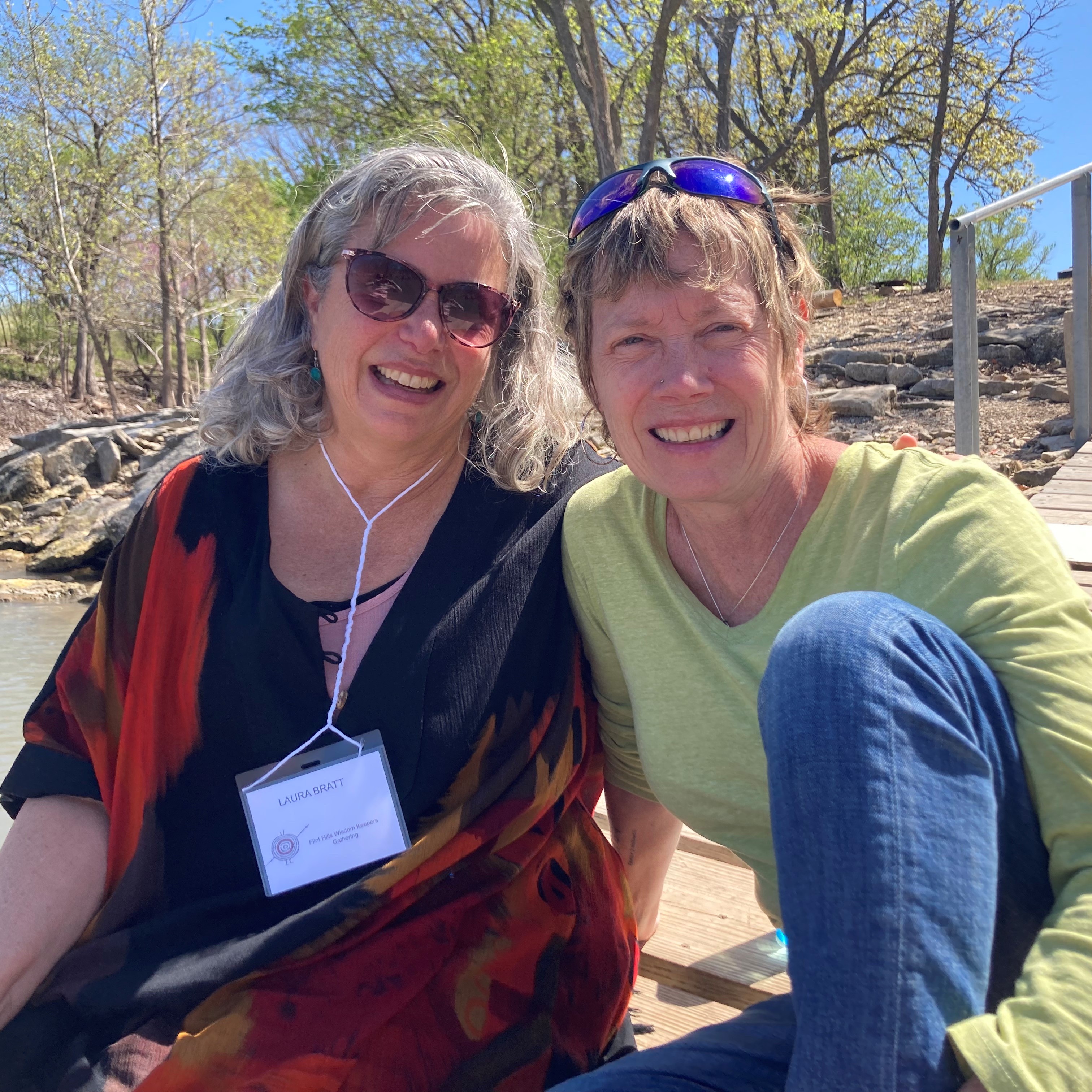
Bratt and Owens have led The Kansas City area’s GRASP group since its establishment in 2023, originally in partnership with Jewish Family Services.