
The Kansas City Jewish community faced an eventful 2025, with global, national and local events all deeply impacting members.
Marred by the war in Israel and murder of Sarah Milgrim (z”l) , 2025 has left scars that won’t heal, but the community continues to move forward with new leaders, new rabbis, new facilities and an unmatched resilience.
Below are the biggest stories affecting the Kansas City Jewish community in 2025 as reported in The Chronicle.
War in Israel and local antisemitism
Despite happening thousands of miles away, the events in Israel directly impacted local Jewry.
“If there is a distinction between antisemitism and anti-Zionism in theory, it’s not translating in practice,” Jewish Community Relations Bureau | American Jewish Committee Executive Director Neta Meltzer told The Chronicle in October. “Things that are happening on the other side of the world are having a direct impact on the safety and security of Jews right here in this community.”
In April, this was faced by students at the University of Kansas as its student senate passed a resolution near the end of the school year titled “A Resolution to Recognize the Ongoing Genocide in Palestine.” This resolution was opposed in person by Jewish students, but passed nonetheless.
In a joint statement shared on social media, KU Hillel and KU Chabad said that this resolution is “an act of selective, performative activism singling out the State of Israel and villainizing Jewish students who believe in the Jewish people’s right to self-determination in their ancestral homeland.”
In June, Iran launched a barrage of missile attacks on Israel, sparking a war. The initial attacks caused dozens of deaths, thousands of injuries and significant destruction of property. Multiple community members were in Israel on the day it happened.

A screenshot of an Israeli missile attack warning app showing all of Israel under fire.
The Chronicle reported about the difficulties that some of these community members faced. In July, The Chronicle published an article sharing the stories of Kansas Citians Matthew and Bonnie Siegel, Irv and Ellen Robinson and John Isenberg, who were attending the Israel Economic Forum; and Alexa Summers and Lydia Schwartz, who were on Birthright trips.
The war also prompted Jewish Federation to launch an Israel crisis fund to help rebuild, which echoed its crisis fund shortly after the Oct. 7 attacks of 2023.
Over the course of the year, the Israeli hostages taken by Hamas on Oct. 7 were front and center in the minds of many Jewish Kansas Citians. Vigils were held throughout the year, with Israeli emissaries often leading. In October, news broke of hostage releases, and The Chronicle spoke to various community members who celebrated their return.
“I cried like a baby seeing them free, because they were back with their families, back after so much suffering,” community member Elie Solomon said. “Whenever I’m trying to do something fun, my mind goes to those people underground. You imagine them there, in the dark, no food, no air. You can’t turn it off. Finally, they are home.”
The loss of Sarah Milgrim

Sarah Milgrim and Yaron Lischinsky
The Kansas City Jewish community was struck with a devastating loss in May when Sarah Milgrim, who grew up in Prairie Village and was a KU graduate, was fatally shot in Washington, D.C. alongside her partner, Yaron Lischinsky.
Milgrim had moved to Washington and worked as an employee of the Embassy of Israel to the United States. She and Lischinsky were murdered at an event hosted by the American Jewish Committee at the Capital Jewish Museum in an antisemitic attack.
Just days after the murder, hundreds gathered at the Jewish Community Campus for a rapidly-planned memorial. Jewish Federation, JCRB|AJC and The J issued a joint statement stating that “the attack impacts us all, and directly impacts Kansas City, as one of the victims was one of our own vibrant young adult leaders… Our hearts are broken for Sarah's parents and Yaron's family, and for our entire Kansas City Jewish community.”
Messages of condolence and memory were also issued by KU Chabad; KU Hillel; KU Jewish Studies; The Temple, Congregation B’nai Jehudah; Congregation Kol Ami and more.
The attack reverberated not just through the local Jewish community. Political figures including Kansas City, Missouri, Mayor Quinton Lucas, Kansas Gov. Laura Kelly, President Donald Trump, Israeli President Isaac Herzog, Israeli Prime Minister Benjamin Netanyahu, German Chancellor Friedrich Merz, U.K. Prime Minister Keir Starmer and Irish Prime Minister Micheál Martin and more issued statements. Federation President and CEO Jay Lewis was contacted for interviews by more than a dozen news outlets, including The New York Times, The Washington Post and the Associated Press. Local TV news stations KMBC, KCTV, KSHB and Fox4 KC joined outlets like The Kansas City Star and KCUR in their frequent coverage.
Programs and funds in Milgrim’s honor continue to this day.
New leadership
The Chronicle reported on two new rabbis and two new nonprofit executives who stepped into leadership roles this year.

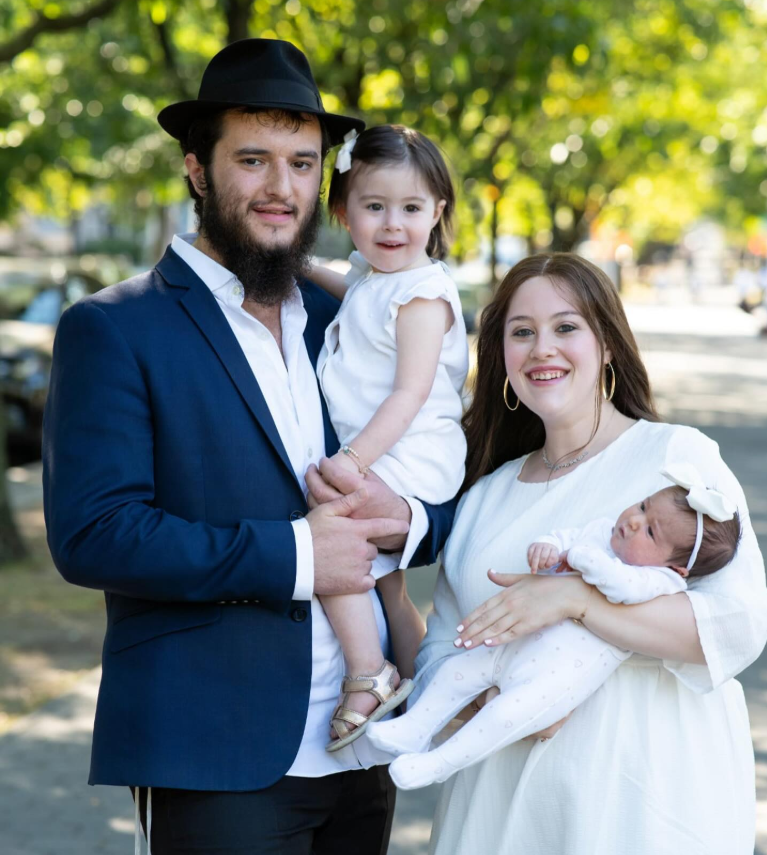
Rabbi Mendel Wenger and his family
In February, The Chronicle reported on the opening of Chabad of Olathe, which brought with it Olathe’s first-ever resident rabbi, Rabbi Mendel Wenger. He told The Chronicle that he and his family “saw an opportunity to create something meaningful for Jews in Olathe, where they wouldn’t have to travel to Overland Park or other parts of Greater Kansas City to engage with their Jewish identity… There’s a lot of Jewish potential here, and we want to help unleash it.”
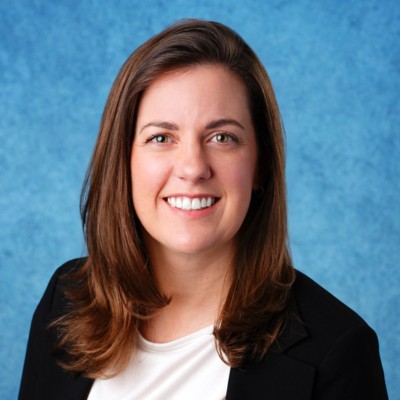
Angela DeWilde
 Jewish Family Services announced its new chief executive officer, Angela DeWilde in April. DeWilde said, “I am honored to join JFS at a time when its mission is more important than ever, and I am delighted to work alongside its amazing team and extraordinary partners to build on its legacy of success and impact.”
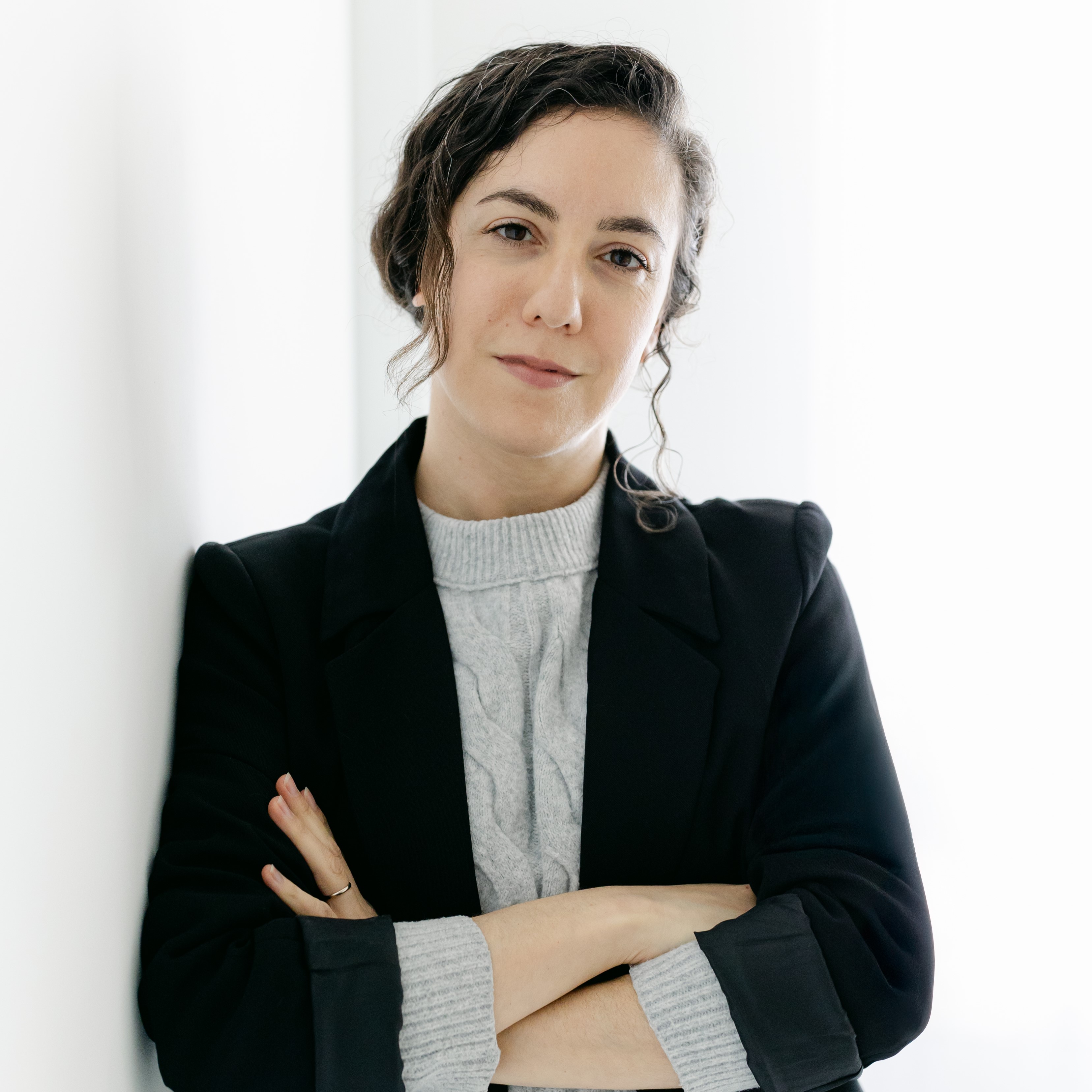
Neta Meltzer
Also in April, Neta Meltzer became the executive director of JCRB|AJC after having been its interim executive director for 10 months. She also serves as the Bert Berkley Chair for Community Relations. In October, she said, “I found the most effective way to [tell our stories] is person-to-person conversation… That’s why so much of what [JCRB|AJC does] is closed-door, sit-down, face-to-face conversations and relationships, because we really see the needle moving with that sort of activity. That’s community relations.”
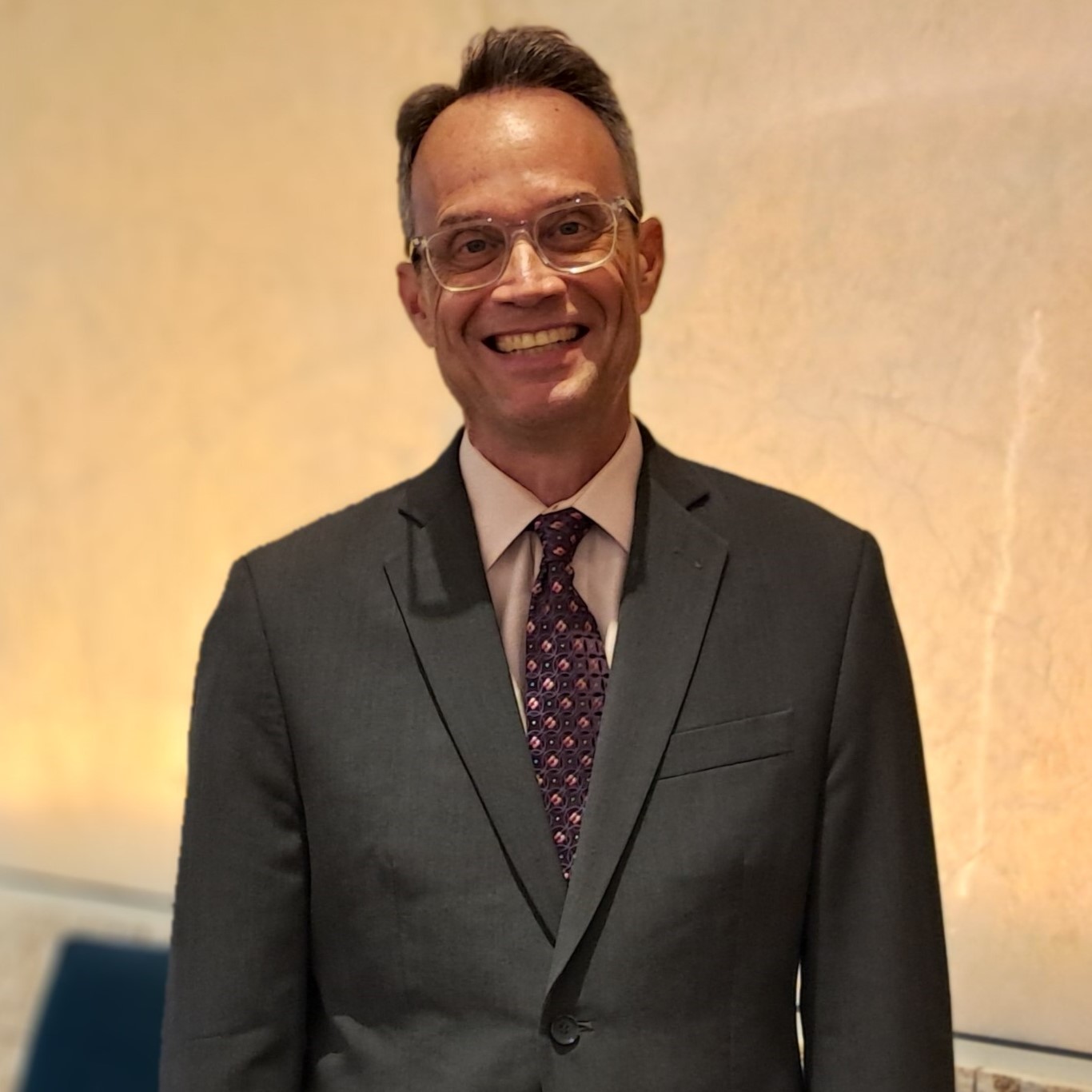
Rabbi David Levinsky
 Rabbi David Levinsky succeeded Rabbi Alan Londy as rabbi of The New Reform Temple in July, telling The Chronicle, “I love Judaism. I believe that it’s one way to make the world better and a resource for people to improve themselves. I believe this so strongly that I think the message of Judaism shouldn’t be limited to Jews; I think that we should think of non-Jews as equal and fellow partners.”
Government policies affect community
Since President Trump was inaugurated in January, various government policies and cuts have elicited criticism and concern from local Jewish organizations.
Most vocal has been Jewish Vocational Service, which has been affected by funding cuts and changes in immigration and refugee services. In response to the elimination of federal funds, it announced its Emergency Support Campaign in March and has continued fundraising since.
In May, the National Endowment for the Arts rescinded a reimbursement grant to fund “First Generation,” a play commissioned by Spinning Tree Theatre, written by community member Victor Wishna and produced in partnership with JVS.
“Now, more than ever, the experiences of refugees and immigrants deserve and need to be shared,” said Hilary Cohen Singer, JVS executive director, in May. “This new work (‘First Generation’), and others like it, have a huge impact on local young people — allowing refugee and immigrant youth to see their stories represented… our whole community suffers when changes to federal policies and funding jeopardize our ability to carry out our important missions.”
In August, The Chronicle ran an article compiled by the Jewish Community Foundation (JCF) about how President Trump’s One Big Beautiful Bill Act could affect local nonprofits and charitable giving. The article highlights how restrictions for the SNAP program would affect Jewish Family Services clients; how Medicaid cuts could affect funding at Village Shalom; and how new tax policies will affect donors and philanthropists.
Other highlights
Some of The Chronicle staff’s other favorites included:
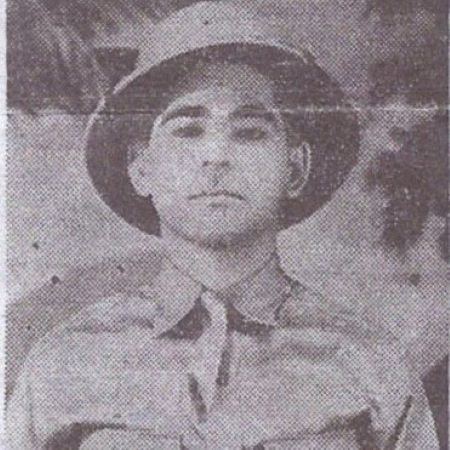
“Fallen POW Sgt. Simon Garelich identified and returned to family after 82 years”
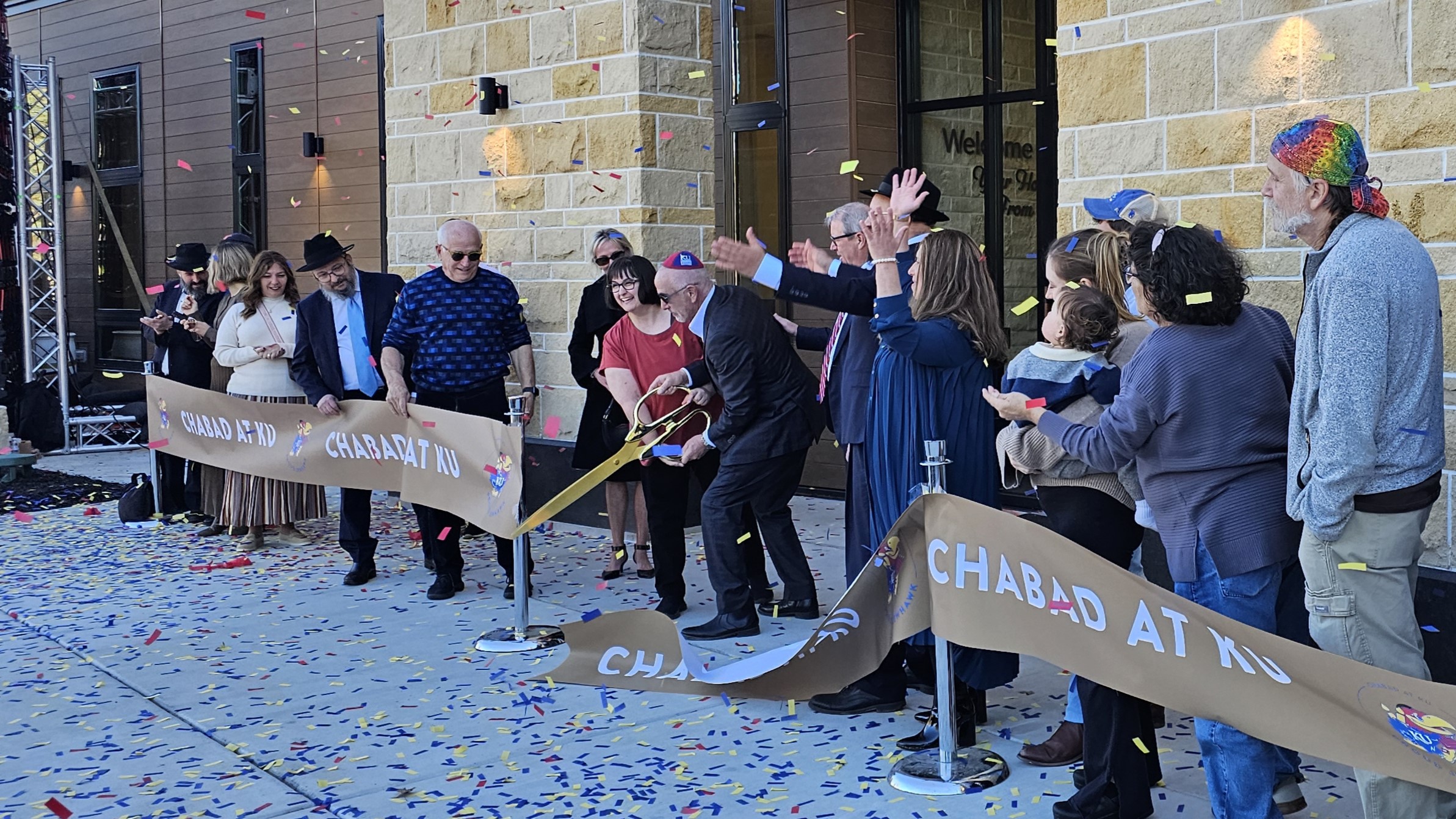
“KU Chabad celebrates grand opening of new building”
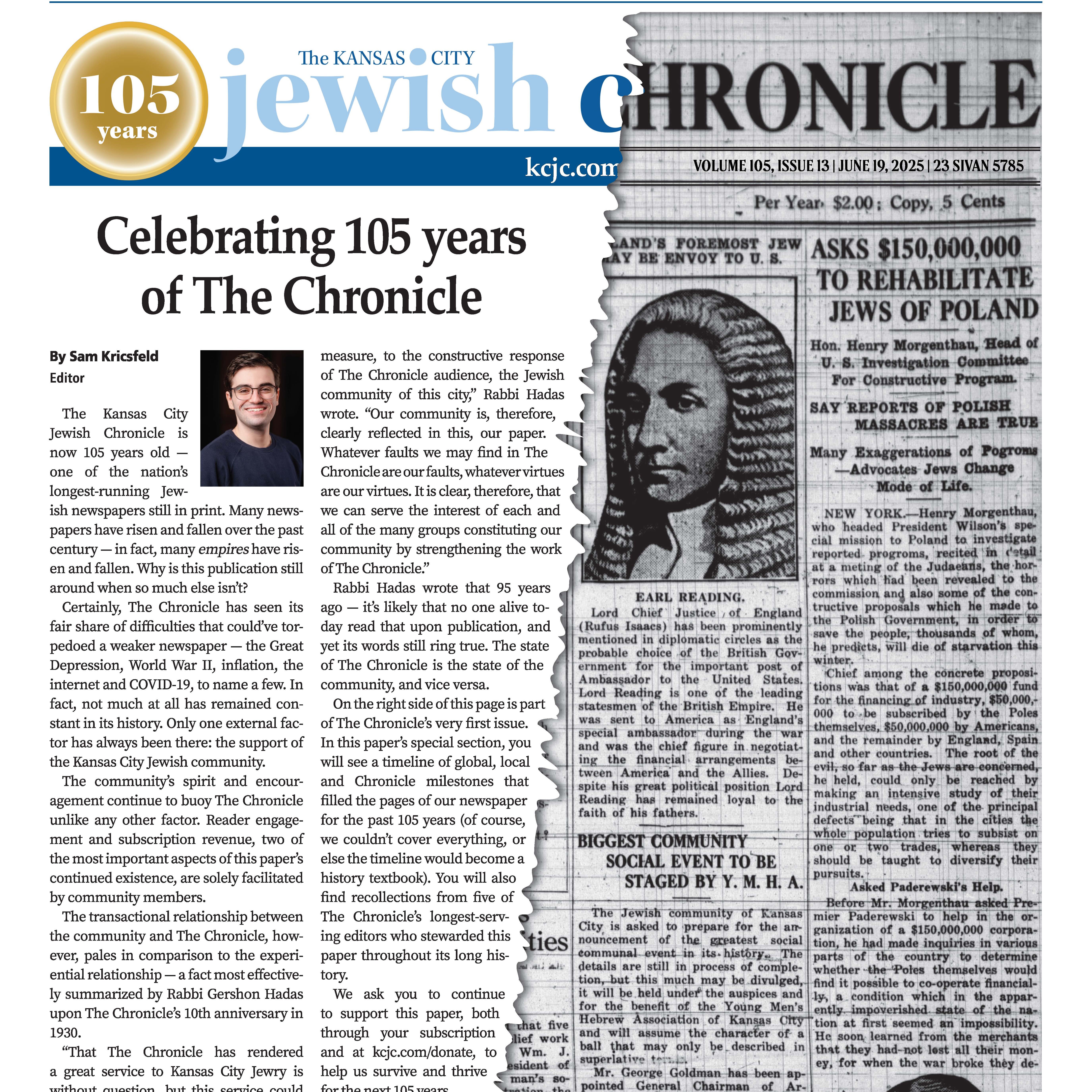
The entirety of our 105th Anniversary Issue
