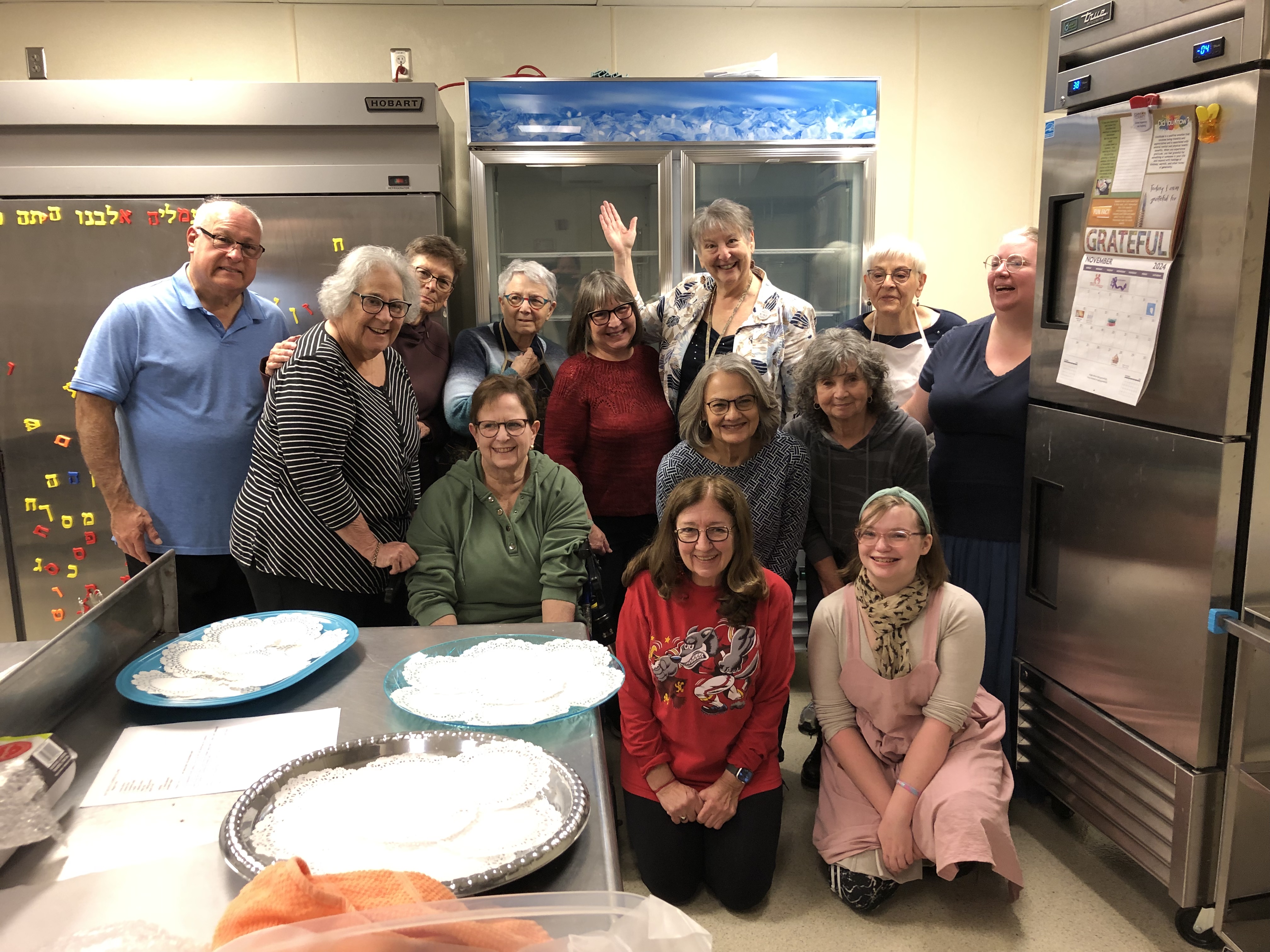
For most of its history, Congregation Beth Torah has considered itself a social justice synagogue with diverse opportunities for fellowship and social gathering.
From the congregation’s beginning, these were a major focus of its people and its mission.
During the Covid pandemic when gathering was so problematic, Beth Torah’s Small Groups program kept its community alive. Started by Rabbi Javier Cattapan and modelled on a successful national model, small groups were and continue to be a vital part of programming at Beth Torah.
“It is so important to ensure that we keep the right balance of social and sacred here at Beth Torah,” Executive Director Damien Timms said. “Synagogue life is so much more than services and Torah learning. These elements are important, of course, but we need to also provide opportunities for gathering that are not sacred based. Our Small Groups roster and our many social events during the year achieves this.”
Beth Torah provides a range of opportunities to gather around a shared activity. Among the groups offered are ones for baking, walking, playing Dungeons and Dragons, playing mahjongg, enjoying barbecue restaurants, enjoying local coffee and more. These Small Groups have been in existence for a decade and continue every year, with new groups often being added. With 11 groups this year, the Small Groups roster continues to be driven by dedicated volunteers from the Beth Torah congregation.
After a hiatus post-Covid, the Social Justice Committee at Beth Torah has reformed “with gusto and an energy that reminds many of the earlier years of the synagogue,” Timms said. The focus of Beth Torah’s social justice programs is one of tangible goals and community representation.
“It is not simply about being seen to be doing good,” he said, “but it has always been about doing tangible works with real outcomes that make a difference.”
Some of the initiatives in the Beth Torah Social Justice calendar include:
- Good Faith Network — Beth Torah is a foundational member of the Good Faith Network and hosts its annual Problems Assembly.
- Strangers No More — An interfaith initiative that began with Beth Torah as a founding member, Strangers No More brings together women from many faiths in conversation and action.
- Annual “Soup-er Bowl” Soup Drive — This soup drive contributes much needed food to the Jewish Family Services (JFS) Food Pantry.
- Annual Spice Drive — This drive is to provide the “extras” that families in need might be missing from their pantries and to enhance the food packs from JFS.
- Winter Clothing drive for Free Hot Soup — Donations of warm winter gear, including coats and blankets for those in need, are gathered in exchange for soup.
- Tikkun KC-Affordable Housing — This initiative, driven by the Tikkun KC group, takes abandoned houses in key areas, renovates them and then sells them to vetted low income households.
- Annual Mitzvah Day — A day devoted to volunteering for multiple initiatives that are both within and external to the Jewish community. Some organizations that benefit include Happy Bottoms and JFS.
- Blood Drives — Blood stocks are always in high demand, and Beth Torah hosts multiple blood drives during the year.
- Harvesters Backsnack Program — Partnering with Harvesters, Beth Torah volunteers deliver food boxes to Pawnee Elementary School for students who experience food insecurity.
- Voter Registration — Beth Torah holds voter registration drives to assist people through the registration process, ensuring as many people as possible can be prepared to vote.
Beth Torah leadership continues to look for opportunities to walk in the steps of Torah, most notably in the area of tikkun olam. With its volunteer corps, it looks to further its outreach and community impact. During times of antisemitism, it is also a tool for building bridges with other faiths and communities.
“Beth Torah remains committed and involved in Social Justice,” Timms said. “It is not simply the right thing to do; it is the Jewish thing to do.”