he Midwest Center for Holocaust Education (MCHE) created the Generations Initiative to engage the second and third generations in the transmission of memories of Holocaust survivors.
MCHE is offering multiple opportunities for descendants of survivors in the community.
Second Generation Singers
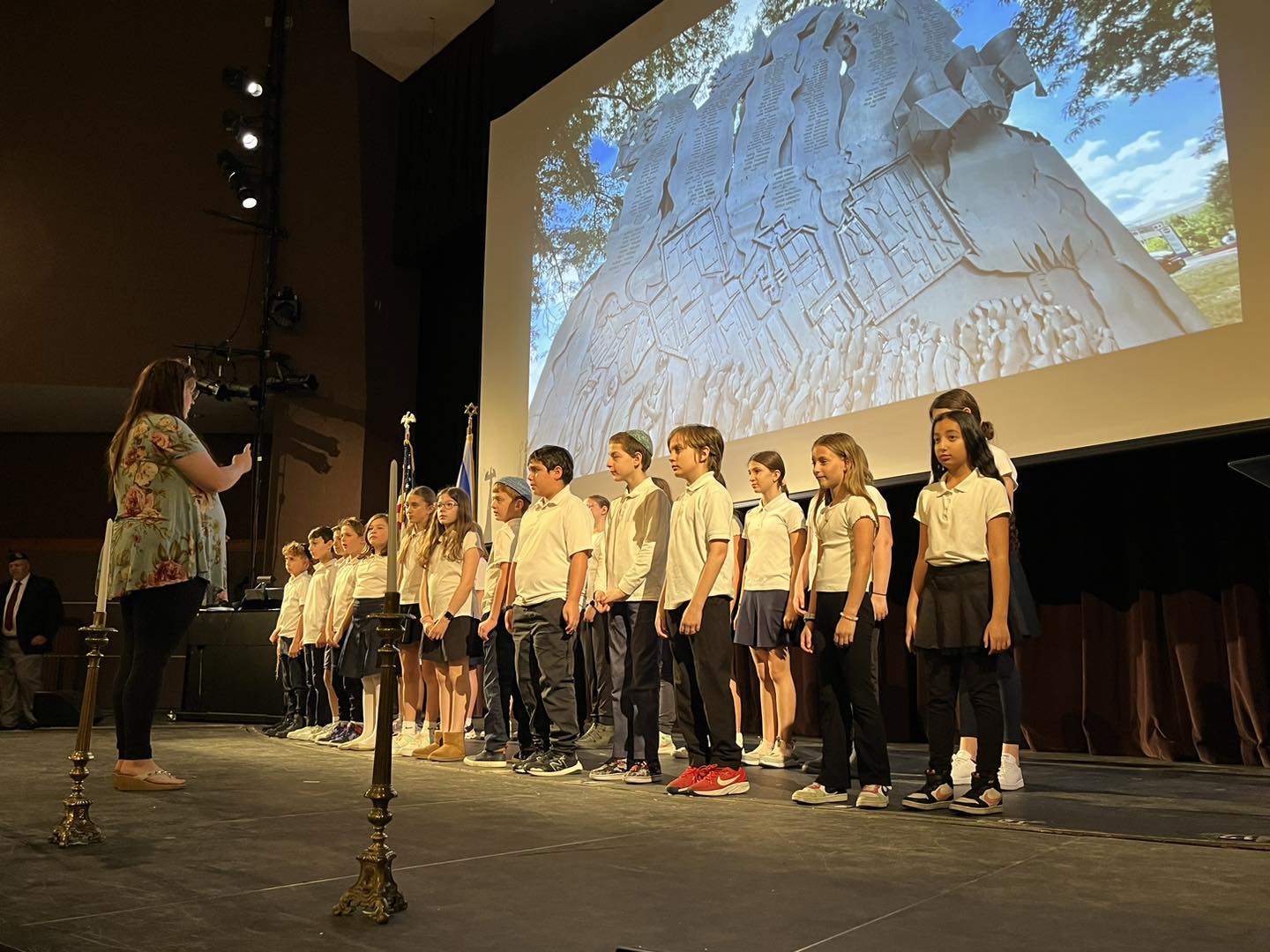
Each year at the community Yom Hashoah commemoration, “Zog Nit Keynmol” is sung — a song adopted by the partisans and universally acknowledged as a song of resistance. At the suggestion of a child of a survivor, MCHE is inviting children, grandchildren and great-grandchildren of survivors to join in creating a special tribute to survivors at Yom Hashoah 2026.
With the help of Devra Lerner, a music educator and choir leader, those who join will learn both the history and the song and perform it at the Yom Hashoah commemoration along with cantorial support and the Hyman Brand Hebrew Academy Choir.
Complete information is available at mchekc.org/generations-initiative.
Second Generation Testimony Project
MCHE’s Second Generation Testimony Project seeks to record the testimony of children of survivors in telling their own stories. MCHE was a national leader in engaging the second generation as primary speakers, and they have delivered hundreds of presentations to school and public audiences since 2006.
“Children of Holocaust survivors occupy a unique place in Holocaust history and its shift from lived memory to history,” said Jessica Rockhold, MCHE executive director. “The impact of the Holocaust did not end in 1945. Each child of a survivor has their own experiences and story to tell, which is impacted by where they were born, birth order, the dynamic years in which they came of age, and the degree to which they experienced their parents’ trauma.”
Now, MCHE seeks to formally record and preserve the testimony of the second generation, adding to the depth of our understanding about their own childhoods — some as immigrants themselves and others who were born here to immigrant families; the impact of growing up during the Baby Boom and the dynamic years of social change that followed; and reflections as older adults on these unique experiences and the markers of their lives.
To MCHE staff’s knowledge, this is a unique program among Holocaust centers. The resulting research collection will offer future opportunities and a collection to expand our understanding of the continued impact of the Holocaust in the community.